KEY BENEFITS
-
Stimulates endogenous growth hormone (GH) release through native growth hormone–releasing hormone (GHRH) pathway activation in research settings
-
Supports physiologic, pulse-based GH signaling models
-
Highly selective action at the pituitary level for targeted endocrine research
-
Commonly explored as a foundational compound in growth hormone axis investigations
Full Description
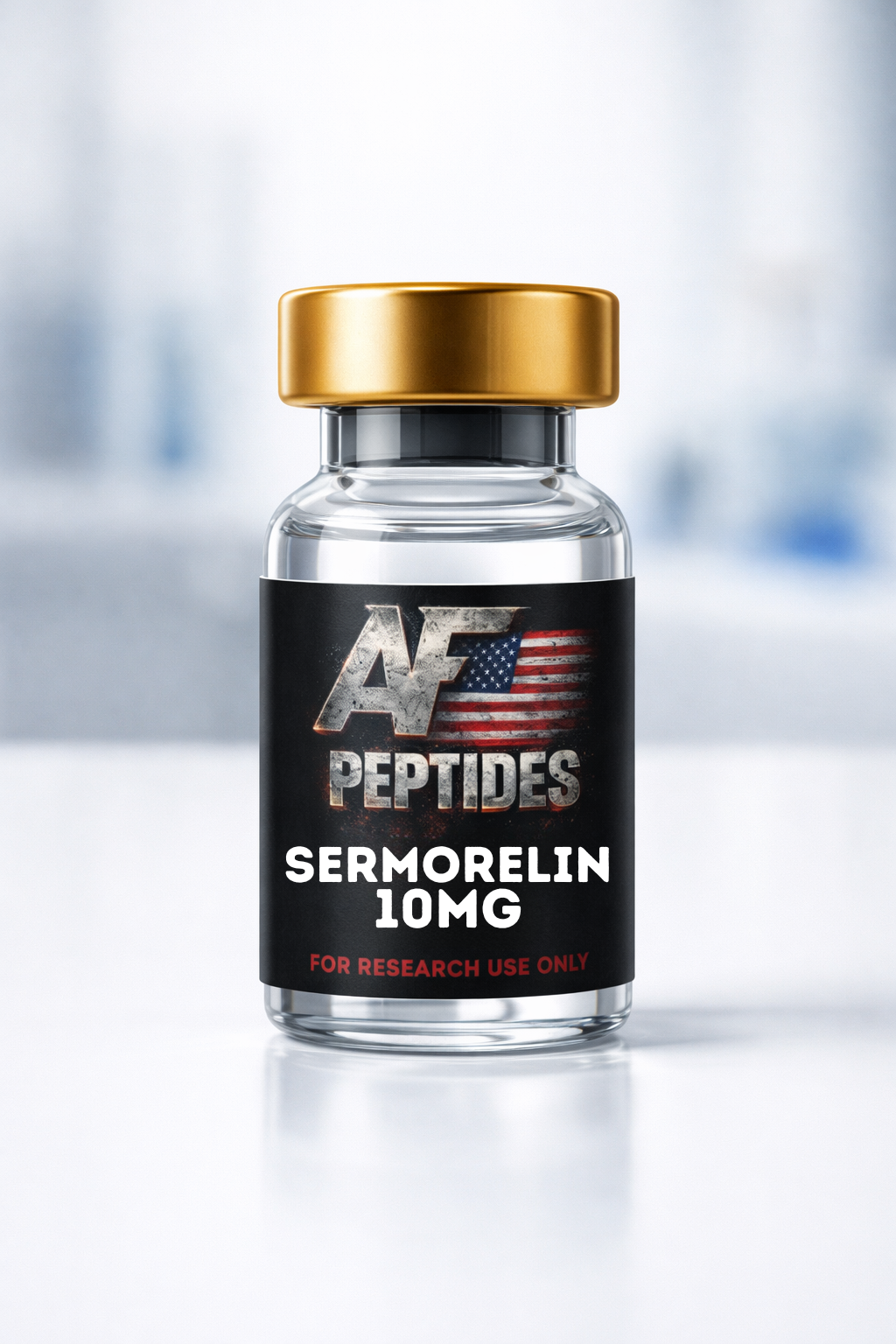
Sermorelin is a synthetic peptide analog of the first 29 amino acids of human growth hormone–releasing hormone (GHRH 1–29). It is designed to bind to GHRH receptors on pituitary somatotroph cells, initiating intracellular signaling cascades that promote the release of endogenous growth hormone.
Unlike direct growth hormone administration models, sermorelin is widely studied for its ability to activate the body’s native regulatory pathway of GH secretion. In laboratory and preclinical research, sermorelin is frequently utilized to investigate growth hormone pulsatility, hypothalamic–pituitary axis function, and downstream endocrine signaling.
Due to its short biological activity and receptor-specific mechanism, sermorelin is commonly selected in controlled research environments where precise temporal stimulation of GH release and physiologic feedback mechanisms are important study endpoints.
Commonly Explored For (Research Use Only)
-
Growth hormone signaling and pulsatility research models
-
Hypothalamic–pituitary axis function studies
-
Endocrine feedback and regulatory pathway investigations
-
Metabolic and body-composition signaling research
-
Recovery, tissue remodeling, and cellular regeneration pathway studies