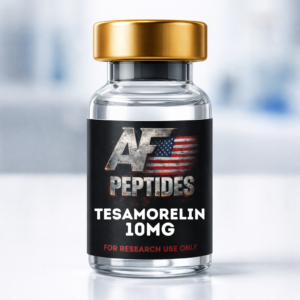
KEY BENEFITS
-
Supports research into skin and tissue repair signaling
-
Commonly studied for its role in collagen and extracellular matrix pathways
-
Frequently explored for skin, hair, and wound-response research models
-
Often used in studies focused on cellular renewal and tissue quality
-
Injectable format allows controlled systemic exposure in research protocols
Full Description
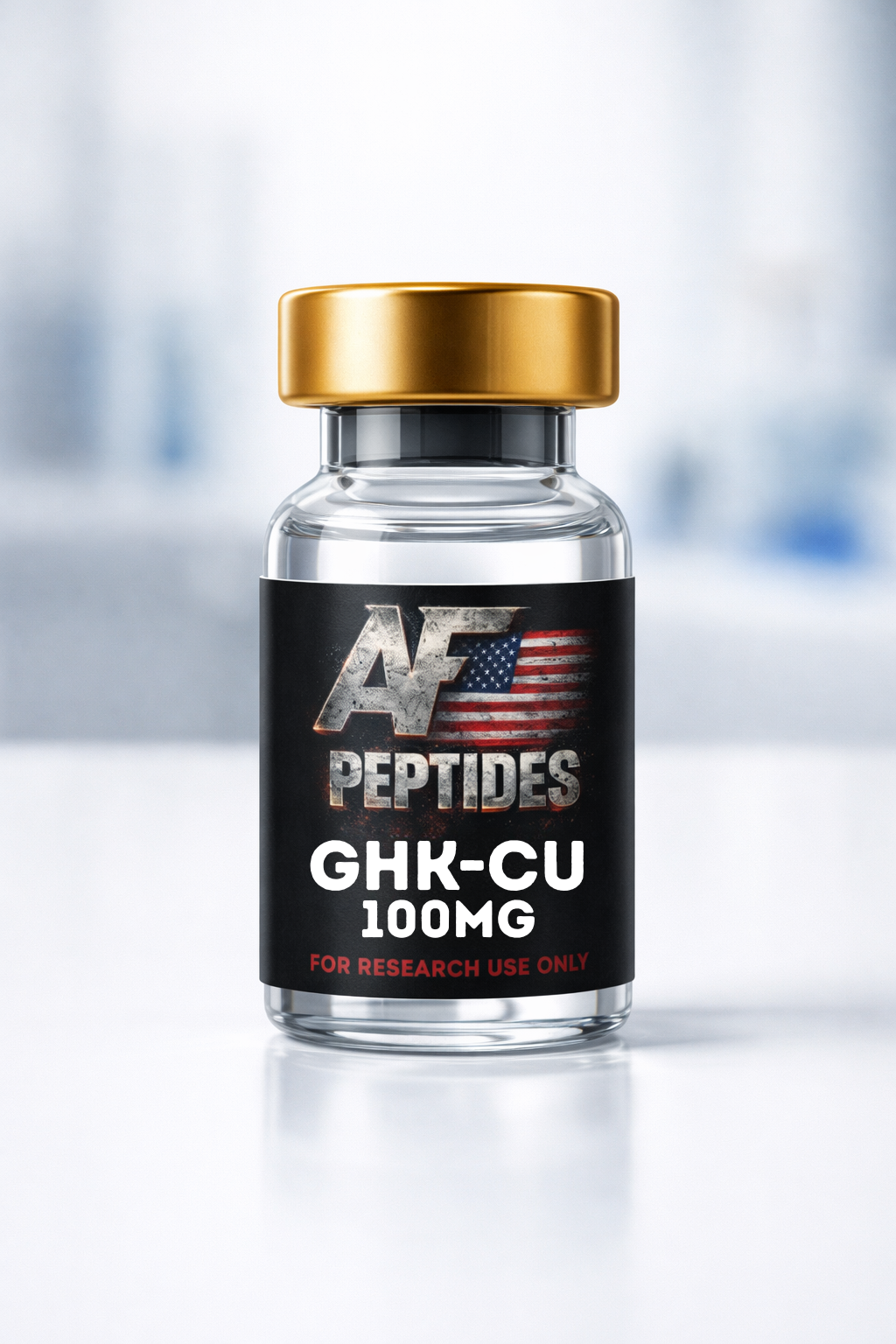
GHK-Cu is a naturally occurring copper-binding peptide that is widely studied in laboratory and pre-clinical research for its involvement in tissue repair, skin biology, and cellular renewal signaling.
In research models, GHK-Cu is commonly explored for how it influences collagen production, extracellular matrix organization, and overall tissue structure. These pathways are important for maintaining skin integrity, supporting wound-response processes, and regulating how cells remodel and repair surrounding tissue.
GHK-Cu is also studied for its role in cellular communication and antioxidant-related signaling, making it a frequent research tool in models focused on skin quality, hair biology, and soft-tissue regeneration. The injectable format is used in controlled research environments when consistent systemic exposure is required.
Commonly Explored For (Research Use Only)
-
Skin repair, structure, and collagen-signaling pathways
-
Hair and follicle-related research models
-
Wound and soft-tissue repair signaling
-
Cellular renewal and tissue remodeling studies
-
Oxidative stress and cellular protection pathways