KEY BENEFITS
-
Combines two widely studied recovery-focused peptides in a single injectable research formulation
-
Supports investigation of tissue repair and remodeling signaling pathways
-
Commonly explored for inflammation response and post-stress recovery models
-
Injectable format allows controlled systemic delivery for research protocols
-
Frequently used in multi-pathway recovery and regeneration studies
Full Description
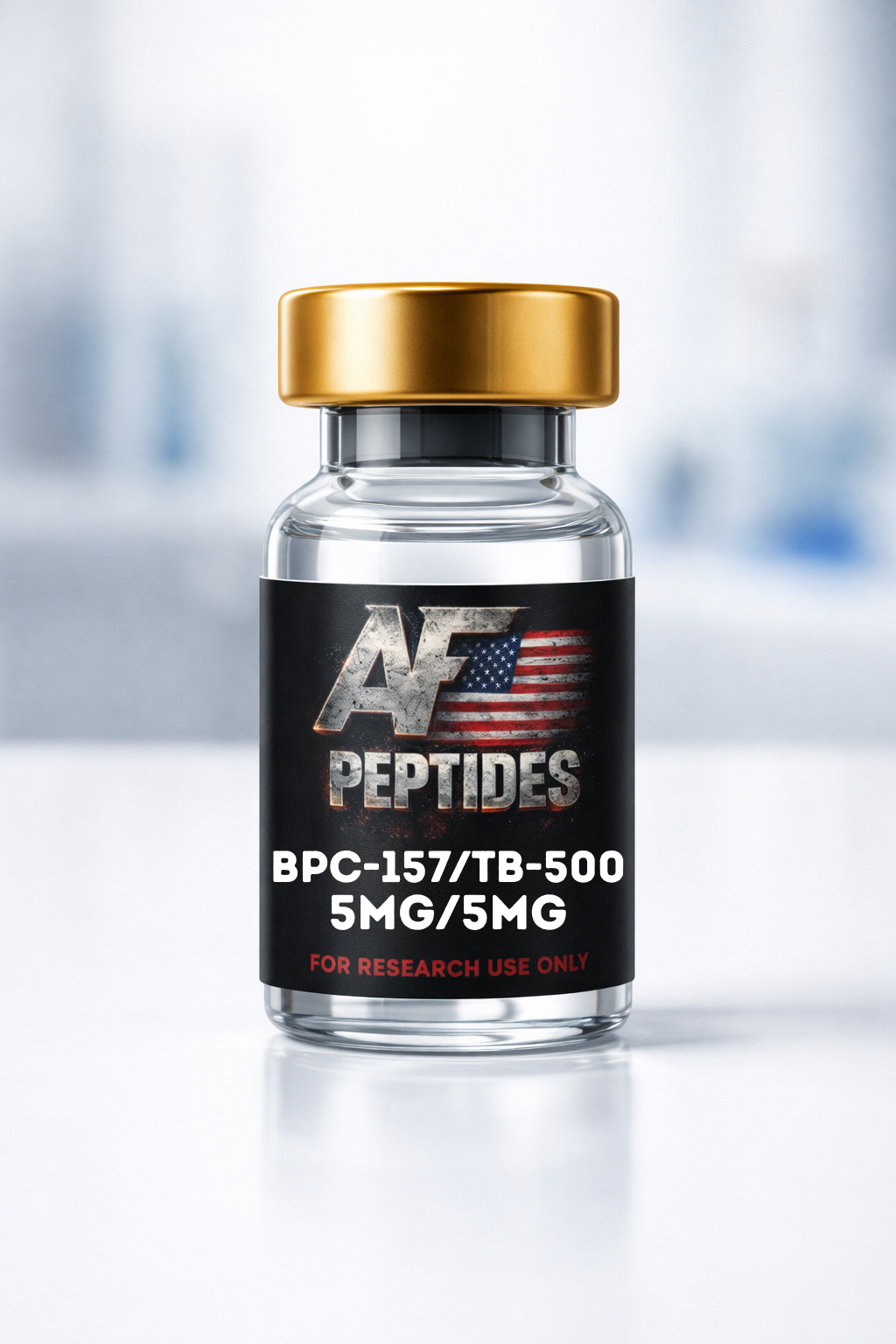
The BPC-157 + TB-500 injectable blend is a combined research formulation designed for studies focused on tissue recovery, cellular repair signaling, and structural remodeling pathways.
BPC-157 (Body Protection Compound-157) is a synthetic peptide derived from a naturally occurring gastric protective protein fragment. In laboratory and pre-clinical research, it is commonly explored for its involvement in angiogenic signaling, nitric-oxide–related pathways, inflammatory response regulation, and overall tissue-integrity mechanisms.
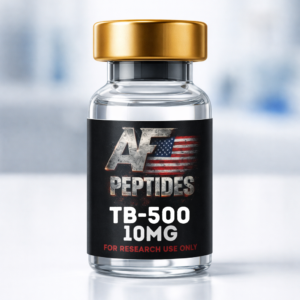
TB-500 is a synthetic peptide modeled after the active region of thymosin beta-4 and is widely studied for its role in actin regulation, cellular migration, and cytoskeletal organization. These pathways are central to how cells move, reorganize, and coordinate repair during tissue remodeling.
Together, this injectable blend is frequently selected in research environments where investigators want to evaluate complementary recovery and regeneration pathways—pairing BPC-157’s tissue-protective and signaling activity with TB-500’s cellular movement and remodeling functions. The injectable format supports consistent systemic exposure for controlled and repeatable research applications.
Commonly Explored For (Research Use Only)
-
Soft-tissue, tendon, ligament, and connective-tissue recovery models
-
Tissue repair, remodeling, and structural signaling pathways
-
Inflammatory response coordination and modulation research
-
Angiogenesis, microcirculation, and cellular migration studies
-
Physical stress and post-training recovery research models